
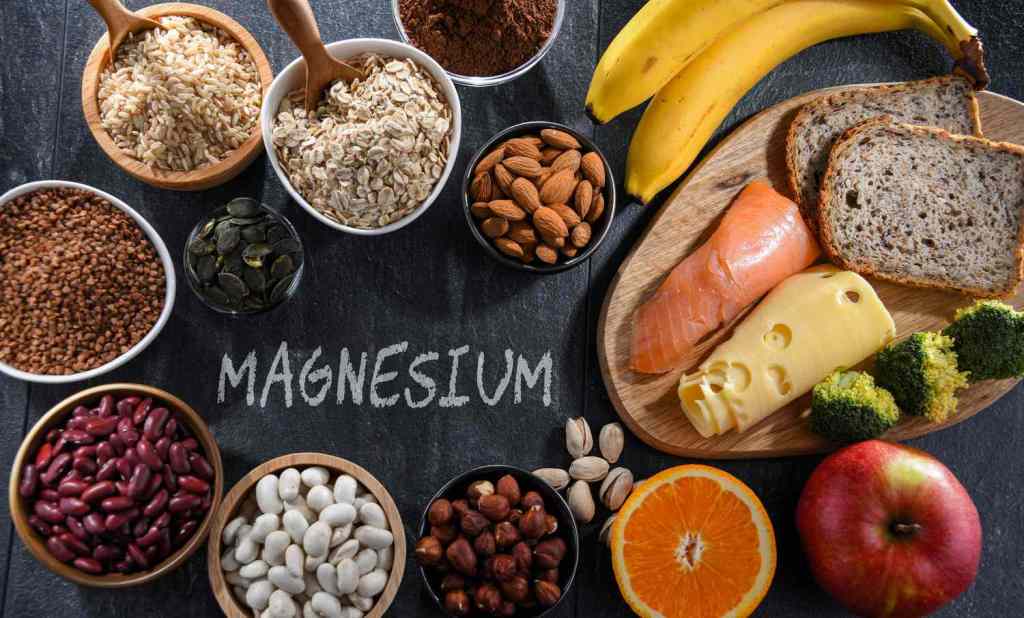
Not many people know this, but Magnesium deficiency is more common than you think. The American Osteopathic Association found in a 2018 study that nearly 50% of Americans (1) are defficient in magnesium and have no idea! Although true deficience is considered rare, magnesium deficiency has been known to also decrease the bioavailibility of Vitamin D in our bodies – which we are finding to be more prevelent within the population. Vitamin D is important for many processes within the body – including but not limited to: mood, energy, immunity, and body composition. There are many different forms of magnesium and each form has its own set of characteristics and potential benefits, and they are used in the body in slightly different ways. Here is a brief overview of the function and potential uses of some forms of magnesium:
- Magnesium oxide: This is the most common form of magnesium found in supplements, and it is also one of the cheapest forms of magnesium to produce. However, it is not very well absorbed by the body, so it may not be as effective as other forms. It’s mainly used as a laxative to relieve constipation.
- Magnesium citrate: Magnesium citrate is well absorbed by the body and is often used to treat constipation. It can also be helpful for people with kidney stones, since it can increase the amount of urine produced.
- Magnesium glycinate: Magnesium glycinate is well absorbed by the body and less likely to cause gastrointestinal side effects. It can also help with sleep and anxiety because the amino acid Glycine is used in many of the body’s processes. It’s also considered to be the best form for those who have malabsorption issues like Celiac and Crohn’s.
- Magnesium chloride: Magnesium chloride is often used in transdermal (topical) products such as lotions and sprays, for muscle cramps and soreness.
- Magnesium L-threonate: This form of magnesium can easily cross the blood-brain barrier and it is considered helpful for cognitive function and memory.
- Magnesium sulfate: Often known as Epsom salt, magnesium sulfate is commonly used in bath salts and as a laxative. When taken by mouth, magnesium sulfate can also be used to prevent seizures in pregnant women.
- Magnesium carbonate : It is often used as an antacid and mild laxative for short-term relief of indigestion, upset stomach, and heartburn.
- Magnesium aspartate, orotate, malate, taurate, lactate, hydroxide, and fumarate: These forms of magnesium are typically used in smaller doses, and are often combined with other vitamins or minerals. they are considered less common forms and the research on them is not as robust as the previous mentioned forms.
Thankfully, magnesium is also found in a wide variety of foods, including both plant-based and animal-based foods. Some good dietary sources of magnesium include:
- Leafy green vegetables: Spinach, kale, and collard greens are all excellent sources of magnesium.
- Nuts and seeds: Almonds, cashews, pumpkin seeds, and sunflower seeds are all rich in magnesium.
- Whole grains: Whole wheat, brown rice, quinoa, and oats are all good sources of magnesium.
- Legumes: Beans, lentils, and chickpeas are all excellent sources of magnesium.
- Fish: Mackerel, halibut, and salmon are all rich in magnesium.
- Dark chocolate: A moderate (not excessive!) intake of dark chocolate can provide a good amount of magnesium.
If you are following The Awesome Diet, you will see many of these foods (but not all) are already a part of your meal plan, so honing in on specific areas you might be deficient in could be more beneficial than just a generalized magnesium supplement. It is important to note that food preparation and processing can affect the magnesium content of foods as well, so it is best to eat a variety of foods that are as close to their natural state as possible in order to ensure an adequate intake of magnesium! In future posts I will talk about some of the magnesium supplements we provide in-office and how they are AWESOME for your health.
References:
(1) Anne Marie Uwitonze, Mohammed S. Razzaque. Role of Magnesium in Vitamin D Activation and Function. The Journal of the American Osteopathic Association, 2018; 118 (3): 181 DOI: 10.7556/jaoa.2018.037

 Dr. Jonathan Marshall, DC