The Methylated Advantage: Unraveling the Nuances of Superior Nutrient Absorption

The Intricacies of Methylated vs. Non-Methylated Vitamins:
To truly grasp the preference for methylated vitamins, it’s essential to delve into the intricate biochemistry governing nutrient absorption in the human body. Methylated vitamins, such as methylfolate (B9) and methylcobalamin (B12), arrive in their biologically active state, ready for immediate utilization. Non-methylated counterparts, on the other hand, necessitate intricate enzymatic processes for conversion, a step that might pose challenges for some individuals.
Genetic Variations and the MTHFR Connection:
One of the primary catalysts for the surge in popularity of methylated vitamins is the recognition of genetic variations, particularly those related to the MTHFR gene. This gene encodes an enzyme (methylenetetrahydrofolate reductase) crucial for converting folic acid to its active form, methylfolate. Individuals with MTHFR gene variations may find it challenging to efficiently perform this conversion, making methylated folate a more accessible and bioavailable option.
Efficient Absorption for Enhanced Health:
The streamlined absorption of methylated vitamins translates into more efficient nutrient utilization. For individuals with compromised enzymatic pathways or underlying health conditions affecting nutrient absorption, the direct availability of active forms can make a significant difference. This enhanced absorption ensures that the body receives the maximum benefit from these vital nutrients.
Methylation Support: Navigating the Biochemical Pathways:
Methylation is a multifaceted biochemical process that impacts various physiological functions. Methylated vitamins play a pivotal role in supporting this intricate web of reactions. By directly contributing to the methylation cycle, these vitamins become instrumental in maintaining optimal DNA synthesis, neurotransmitter production, and detoxification processes within the body.
Precision in Dosage and Reduced Risk:
Methylated vitamins offer a degree of precision in dosage that can be particularly valuable. In contrast to non-methylated forms, where the risk of overdosing, especially with fat-soluble vitamins, is a concern, methylated versions allow for more controlled supplementation. This is particularly advantageous for those who require specific nutrient support without the potential drawbacks of excessive intake.
Neurological Health and Methylated B12:
The neurological benefits of methylated B-vitamins, especially B12 in the form of methylcobalamin, cannot be overstated. Methylcobalamin is directly involved in nerve function and the synthesis of neurotransmitters. This makes it a preferred choice for individuals with neurological concerns or conditions, as the active form provides optimal support for neurological well-being.
Navigating the Landscape of Optimal Nutrition:
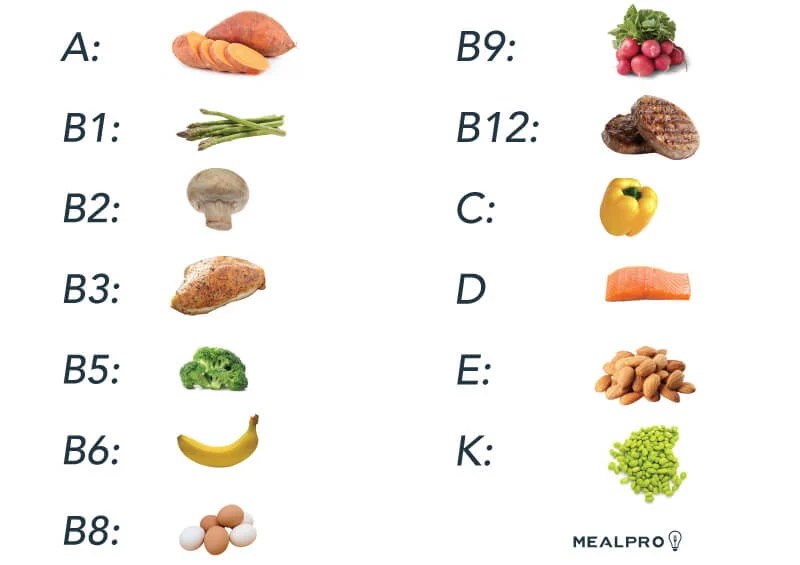
While the debate between methylated and non-methylated vitamins persists, it’s essential to approach the discussion with a nuanced understanding of individual needs. A well-balanced diet should remain the cornerstone of nutritional intake. Here is a list of foods that provide nutrients supportive of methylation:
- Leafy Greens:
- Spinach, kale, Swiss chard, and collard greens: Rich in folate, a B-vitamin essential for methylation.
- Cruciferous Vegetables:
- Broccoli, Brussels sprouts, cauliflower: Contain folate and also provide sulfur-containing compounds that support the transsulfuration pathway of methylation.
- Avocado:
- A source of B-vitamins, particularly B5 (pantothenic acid), which is involved in the formation of coenzyme A, a critical compound in methylation.
- Beets:
- Contain betaine, a compound that supports methylation processes.
- Citrus Fruits:
- Oranges, lemons, grapefruits: Provide vitamin C, which is involved in the conversion of homocysteine to methionine.
- Sunflower Seeds:
- A good source of choline, which is a precursor to the methyl donor molecule, betaine.
- Salmon and Other Fatty Fish:
- Rich in B-vitamins, including B6 and B12, which are essential for various enzymatic reactions in methylation.
- Eggs:
- Contain choline, B-vitamins, and methionine, supporting the methylation cycle.
- Legumes:
- Lentils, chickpeas, beans: Provide folate and other nutrients supporting methylation.
- Nuts:
- Almonds, walnuts: Contain B-vitamins and essential minerals involved in methylation.
- Organic, Grass-Fed Meat:
- Beef, lamb: Good sources of B-vitamins, including B12, which is crucial for methylation.
- Dairy:
- Milk, cheese, yogurt: Contain B-vitamins, including B12 and riboflavin, supporting methylation.
- Quinoa:
- A nutrient-dense grain providing folate, B-vitamins, and essential amino acids.
- Sweet Potatoes:
- Contain vitamins, including B6, supporting methylation pathways.
- Shellfish:
- Oysters, clams: Rich in B12 and other minerals important for methylation.
However, certain populations, including those with genetic predispositions or specific dietary/health concerns, may find that methylated vitamins align more closely with their unique nutritional requirements.
Striking the Balance for Optimal Health:
In the dynamic landscape of nutritional supplementation, the choice between methylated and non-methylated vitamins is a decision best made in collaboration with your doctor. However, I believe that my patients experience greater benefits from methylated vitamins compared to the non-methylated versions they typically use. The increased utilization and decreased chance for overdose when using fat soluble vitamins, such as vitamin A, weighs heavily in my decision making process. While genetic testing, such as for MTHFR variations, may still be recommended in some cases, it is important to understand that the vitamins patients receive from their healthcare provider are already in the optimal form.

 Dr. Jonathan Marshall, DC